Foundation raising in Eastvale CA - floors back near level, with the cause fixed
Sloping floors, sticking doors or a crack running up the wall? We find out why your house settled, then lift it back toward level.
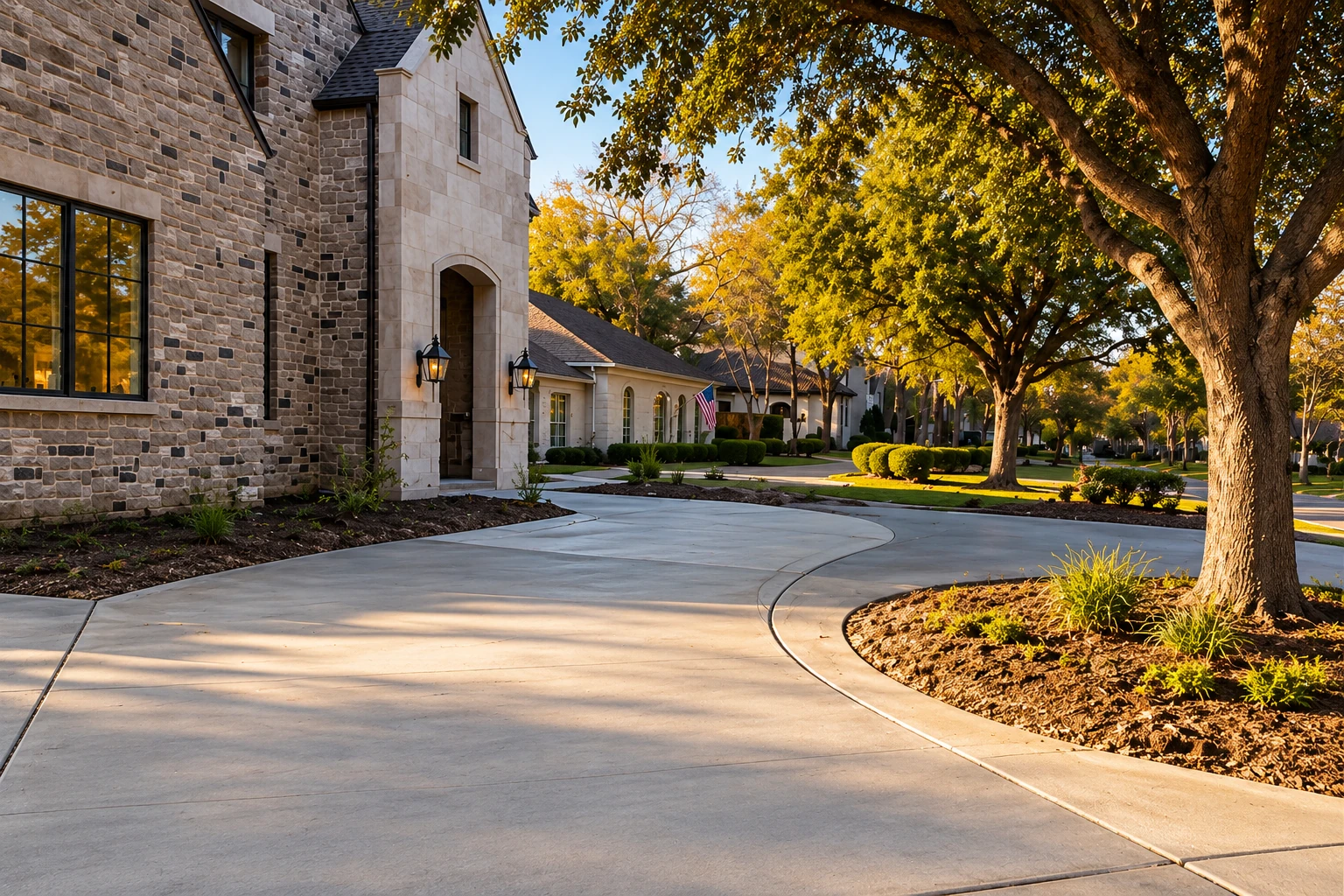
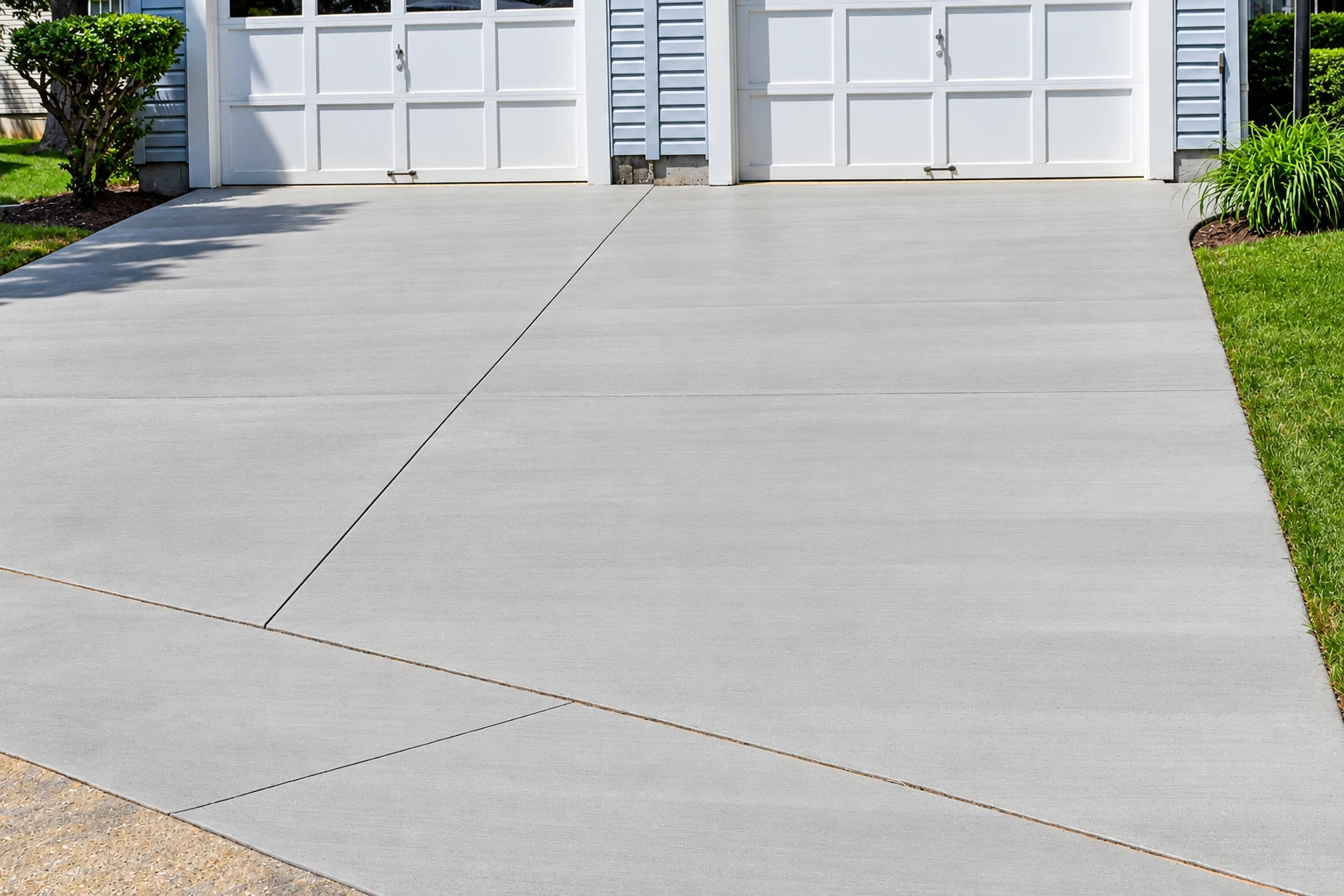
Foundation raising lifts a settled house. The cause matters more.
Foundation raising lifts a settled house back toward level. Under a slab home, that means piers driven down to soil that can carry the weight. Under a house with a crawl space, it means shims, thin wedges that close the gap, under the beams, or new piers for them to sit on.
Most calls start with a door that sticks, a floor that slopes toward one wall or a crack climbing the drywall. The right repair depends on the kind of settling, and knowing yours is how you compare quotes that actually match. Pick the wrong fix and you've paid to lift a house that's going to drop again.
Price mostly comes down to what the house sits on and how much of it has to come up. Slab homes cost more than crawl space homes because the slab rides on new piers, and one corner costs far less than the whole footprint. Pier count mostly sets the schedule, and I put your price in writing after I measure.
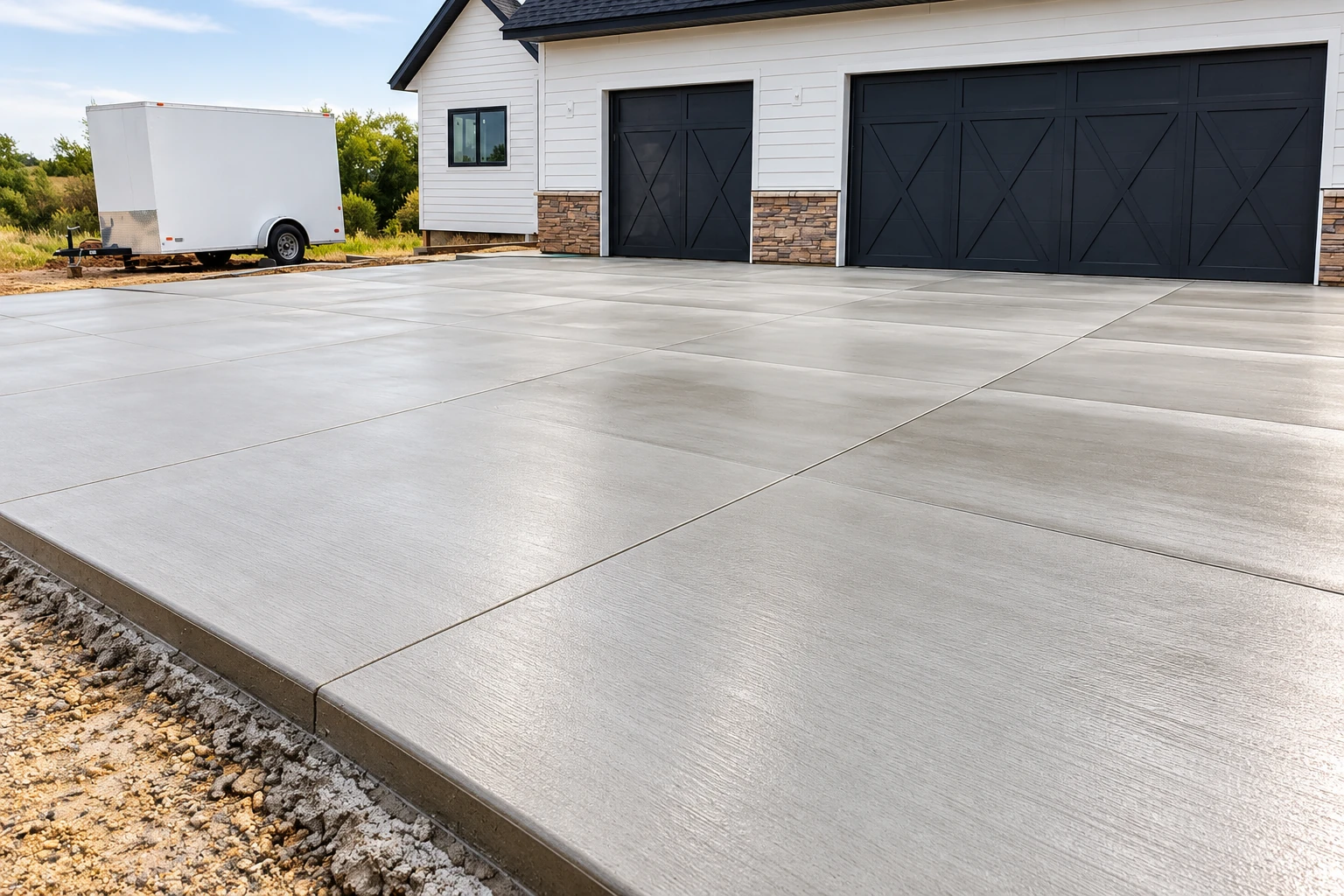
We start with why. Foundation raising comes second.
I figure out why the house settled before I decide how to lift it, because lifting without fixing the cause tends to mean paying for it twice. That means looking at where the downspouts empty, where the yard sends water and which corner dropped first.
Then we talk about how far to go. Pushing a settled house all the way back to dead level can crack drywall, break plumbing lines and rack door frames that got used to sitting crooked, so I'd rather agree with you on close to level than chase a perfect number. Houses, like people, don't love being straightened out.
Foundation raising covers more than jacks. Here's the work.
Finding the cause
I check drainage, downspouts and which corner dropped first, so the lift fixes the problem instead of hiding it for a while.
Piers under slab homes
When the settling goes deep, piers go down to soil that can carry the house, and the slab gets raised on them a little at a time.
Shims and beam work
On a crawl space house, we set shims under sagging beams or replace the piers they rest on, so the floor sits on solid support again.
Lifting sunken slabs
Patios, walks and garage slabs that dropped a little can be raised from underneath. A driveway broken in pieces may be better off as a new concrete driveway.
Getting through the floor
Interior piers sometimes need an opening in the slab, so we handle the concrete cutting and patch the floor afterward.
Pointing water away
Water collecting along the foundation is a common reason a house moves, so where it drains is part of the plan from the start.
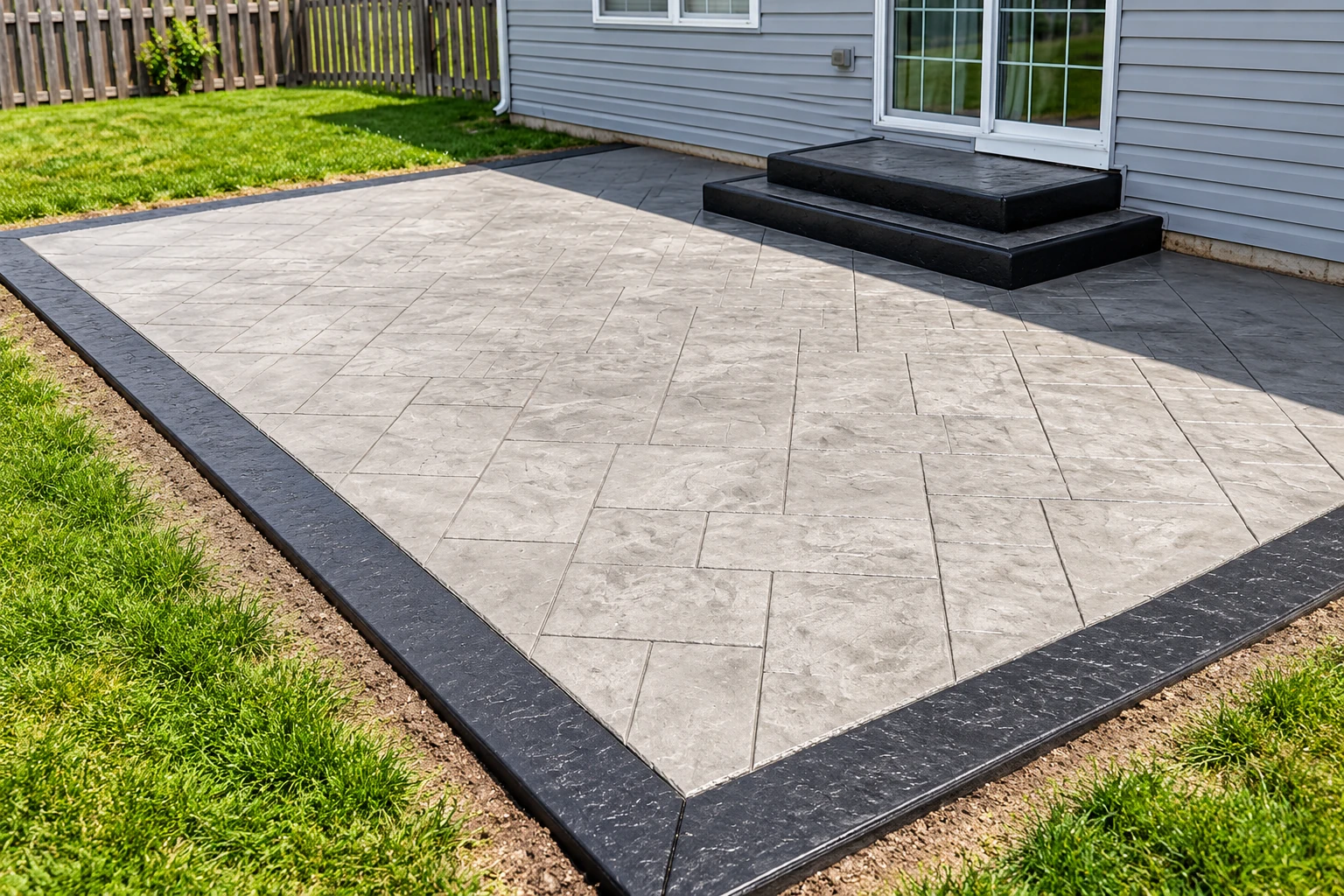
Foundation raising and drainage work go together. One alone slips.
A house that gets lifted while water keeps running under it tends to sink right back, so the money goes in twice. Lifting too far does its own damage, the cracked walls and racked doors I mentioned above. Either way you end up with a repair on top of a repair.
That's why the water goes on the estimate when it's part of the problem, and why we agree on how far to lift before anybody touches a jack. Concrete cracks some, and a house that's been moved can show a few new hairlines, which I'd rather say now than explain later. We're licensed and insured. Your satisfaction, guaranteed.
From the first call to the walk-through. Here's how it goes.
01. Call or send a request
Call (951) 416-3327 or use the form, and tell us a little about the house and what you've been noticing.
02. I come out
I do the visits myself. I look at where floors slope and walls crack, and ask where the water ends up around the house.
03. A written price
I measure, explain which method I'd use and how close to level I'd go, and put the price in writing so you can compare quotes.
04. The lift and clean-up
If it needs a permit, we pull it and book the inspections. Then our crew does the work, cleans up, and I walk the finished job with you.
Tell us what's moving. We'll come take a look.
Tell us where floors slope, where walls crack and whether it's a slab or crawl space. We reply within one business day to set a free on-site estimate, no pressure to book.
(951) 416-3327Based in Eastvale. Working the cities around it.
- Eastvale, CA
- Jurupa Valley, CA
- Corona, CA
- Ontario, CA
- Riverside, CA
- Rancho Cucamonga, CA
- Norco, CA
- Chino, CA
- Chino Hills, CA
- Upland, CA
- Home Gardens, CA
- Bloomington, CA
We're based in Eastvale and work across the cities around it in Riverside and San Bernardino counties, including Corona and Jurupa Valley. Don't see your city listed? Call and ask.
Mon–Sun: 7 AM–10 PM
Fair questions about foundation raising. Straight answers below.
Read through the answers below, and if your question isn't here, call (951) 416-3327 and ask me directly.
How much does foundation raising cost in Eastvale?
Across the US, leveling a house usually costs about $4,000 to $30,000 per job, according to one national cost guide. That's the market, not our price, and the slab or crawl space question above decides a lot of where yours lands. I'll give you a written number after I've measured.
Which foundation repair method is right for my house?
The kind of settling decides it, and I'll tell you which you have at the estimate. For a slab that's only dropped a bit, foam is lighter, cures in minutes and generally lasts longer but costs more, while mudjacking, cement grout pumped under the slab, is still good value for many slabs. Deep settling needs piers either way.
How long does house leveling last?
Leveling usually lasts years to decades when the soil and drainage problems behind the settling get fixed. When they don't, it's common for a house to settle again within a few years. So ask any contractor what their quote does about the water, mine included.
Can I stay in my house during foundation repair?
Most people stay home through the whole job, though slab work is loud and involves digging around the edge of the house. Repair guides put crawl space shimming at about 1 to 3 days and slab underpinning, piers under the slab, at about 3 to 7, depending on how many piers go in.
Do I need a permit to raise my foundation in Eastvale?
The city's Building Safety team is the office to ask, since it issues permits and inspects residential projects. When a job needs one, we pull it and book the inspections, and if it's unclear we ask that office first. The state's contractors board licenses this work, and its rules cap a home improvement down payment at $1,000 or 10 percent of the price, whichever is less.
How do I know if my Eastvale house is in a flood zone?
Riverside County's floodplain map pulls together local, state and federal flood maps so you can look up your property's risk. If you're thinking about raising the whole house in a flood zone, FEMA's advice is to check local rules with a building official first, because some communities ask for more than the national flood insurance program does.
Need other concrete work? We do that too.
- Concrete driveway building
- Concrete patio construction
- Stamped concrete services
- Concrete sidewalk building
- Garage floor concrete
- Decorative concrete
- Concrete retaining walls
- Concrete floor installation
- Concrete pool decks
- Concrete steps construction
- Slab foundation building
- Foundation installation
- Concrete parking lot building
- Concrete footings
- Concrete cutting
House leaning or floors sloping? Call Superior Eastvale Concrete.
Tell us which rooms feel off and we'll set a time to come look. A sticking door is a lot cheaper to talk about than a broken pipe.
(951) 416-3327