Concrete Floor Installation in Eastvale CA - A Slab Ready for Whatever Goes on Top
Need a concrete floor under tile, wood or carpet? We plan the base, joints and moisture layer so the slab suits what goes on top.
Concrete floor installation, explained. It's more than pouring a slab.
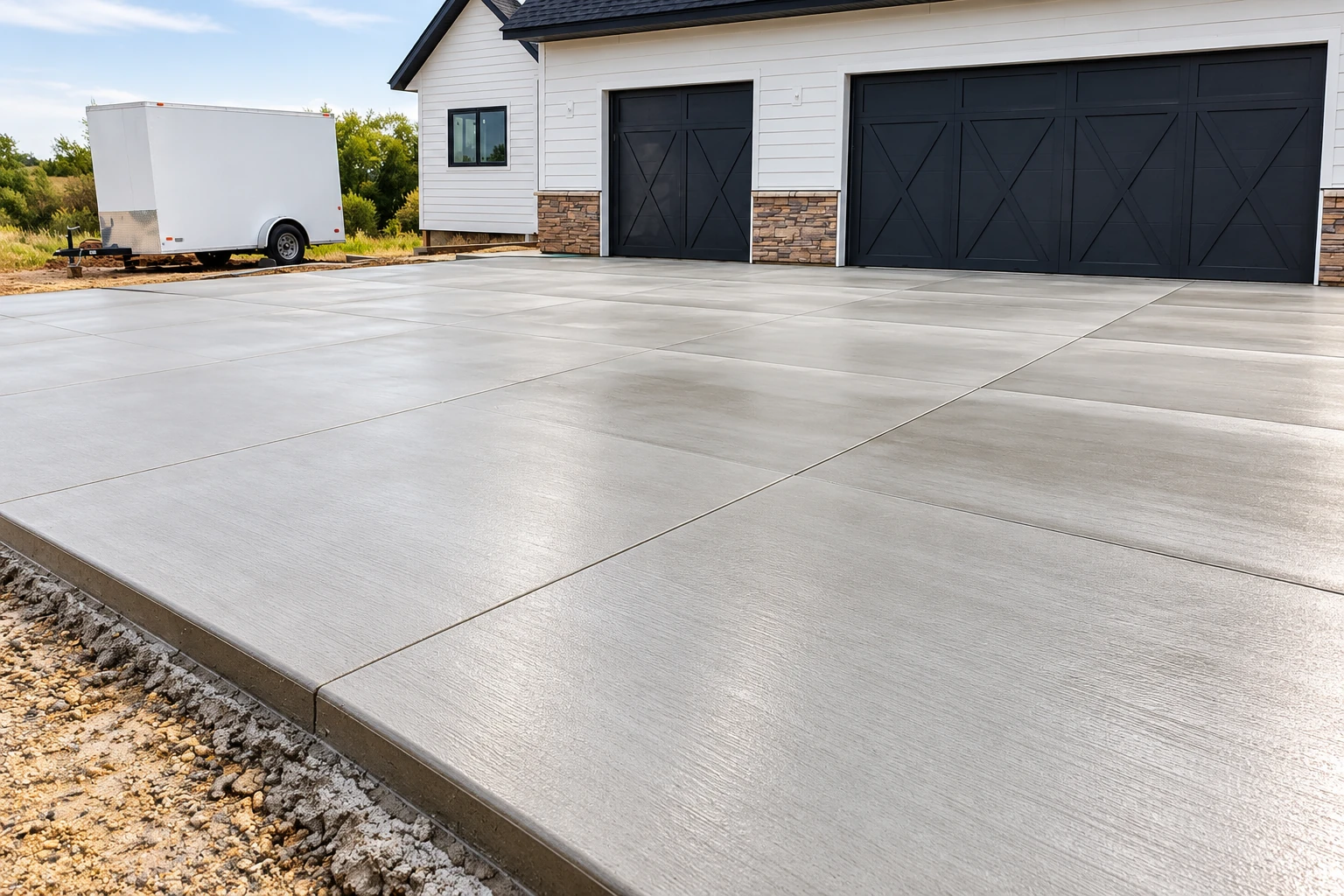
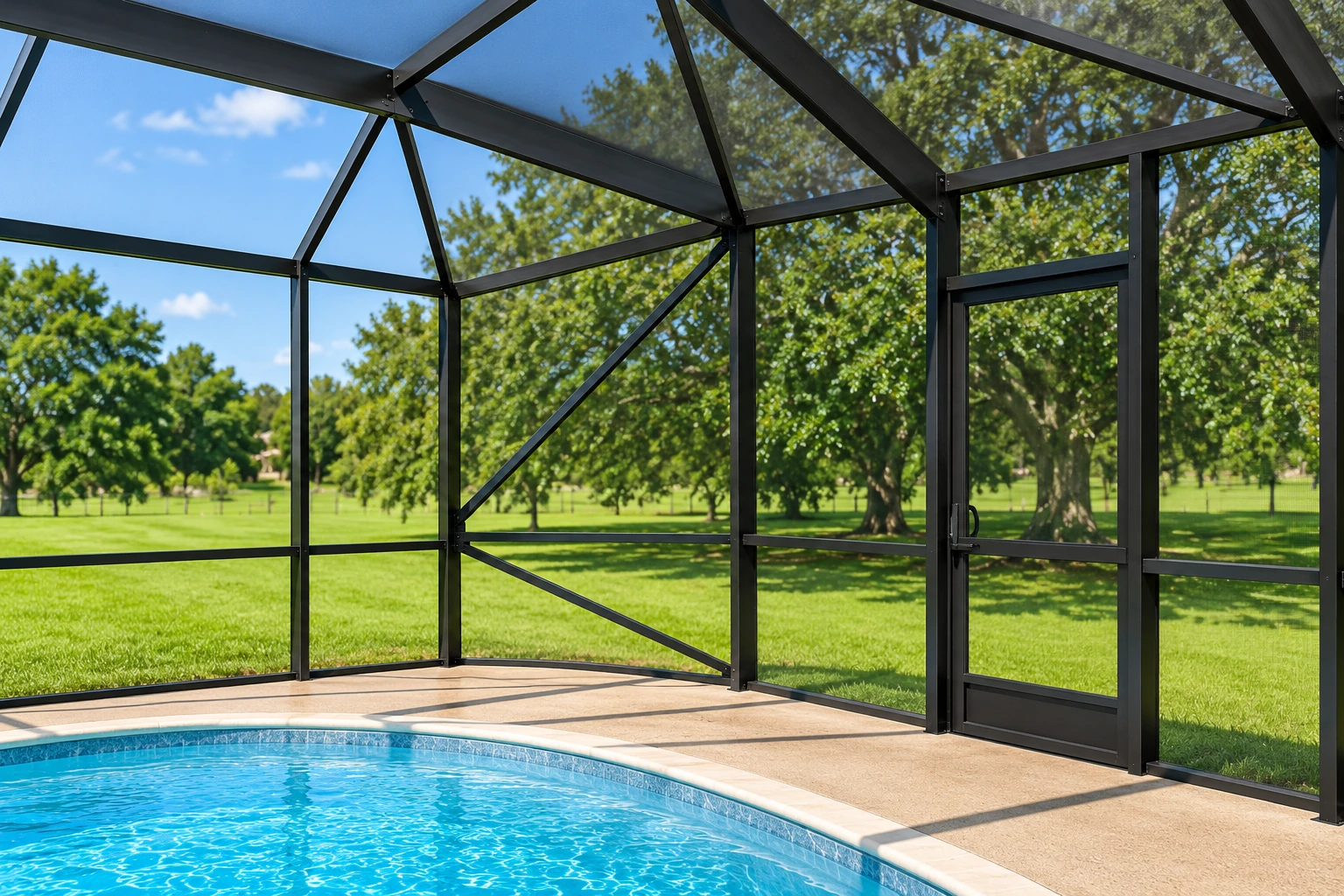
Concrete floor installation in Eastvale means pouring a slab, then finishing it, cutting control joints, planned lines that give cracks a place to go, and curing it, the wait while it holds enough water to harden right. Outside, the same work builds concrete steps and concrete pool decks, but a floor has flooring to answer to.
Most of the bad floors I've fixed went wrong on timing. Industry guidance for floor slabs calls the timing of finishing, jointing and curing critical, because getting it wrong leads to cracking, a dusty top, flaking and water that won't drain.
Your price mostly follows the size of the room, how much digging the base needs, the steel and what goes under the slab for your flooring. The schedule turns on the permit, if there is one, and the cure before flooring goes down. I'll put your number in writing after I measure.
We start with your flooring. Concrete floor installation follows from it.
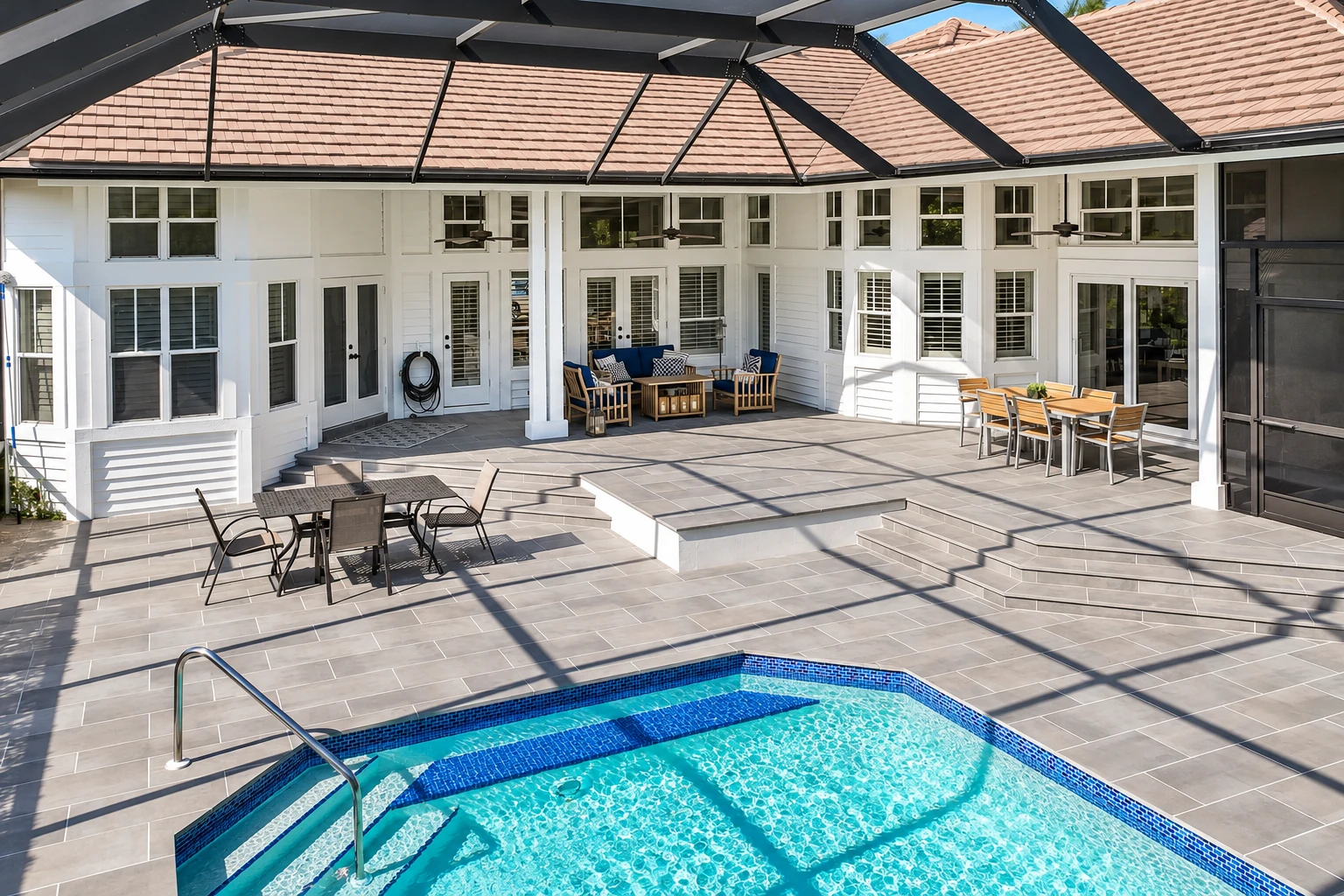
Before we pour, I want to know what flooring goes on top, because that changes what we put under the slab. Industry guidance says peeling, blistering, stains and mold are common when moisture-sensitive flooring goes on concrete, and that a vapor retarder, a sheet that holds ground moisture back, protects best placed right against the slab.
We also go over the joint layout with you, so you know where the cracks are meant to land before there's any concrete to argue with. I'm there on pour days, because the finishing and the joint cuts have to happen when the concrete is ready, not when the crew is.
Every layer counts. Concrete floor installation covers all of it.
Base digging and packing
We dig out soft dirt and pack the subgrade, the ground the slab sits on, so your floor doesn't settle along with it.
Vapor retarder placement
We lay the vapor retarder your flooring calls for before any concrete arrives, since there's no adding it once the slab is poured.
Rebar and reinforcement
We set rebar, the steel bars inside the slab, at the right height so it holds the concrete together and carries weight across weak spots.
Pouring and finishing
We pour early in the day, before the heat rushes the finish, and trowel the top smooth and flat for tile, wood or vinyl later.
Control joint cutting
We cut the joints in the spots we agreed on, as soon as the concrete can take the saw, before it picks its own crack lines.
Curing the new slab
We keep the slab covered and damp while it cures, because concrete that dries out too fast never gets as hard as it should.
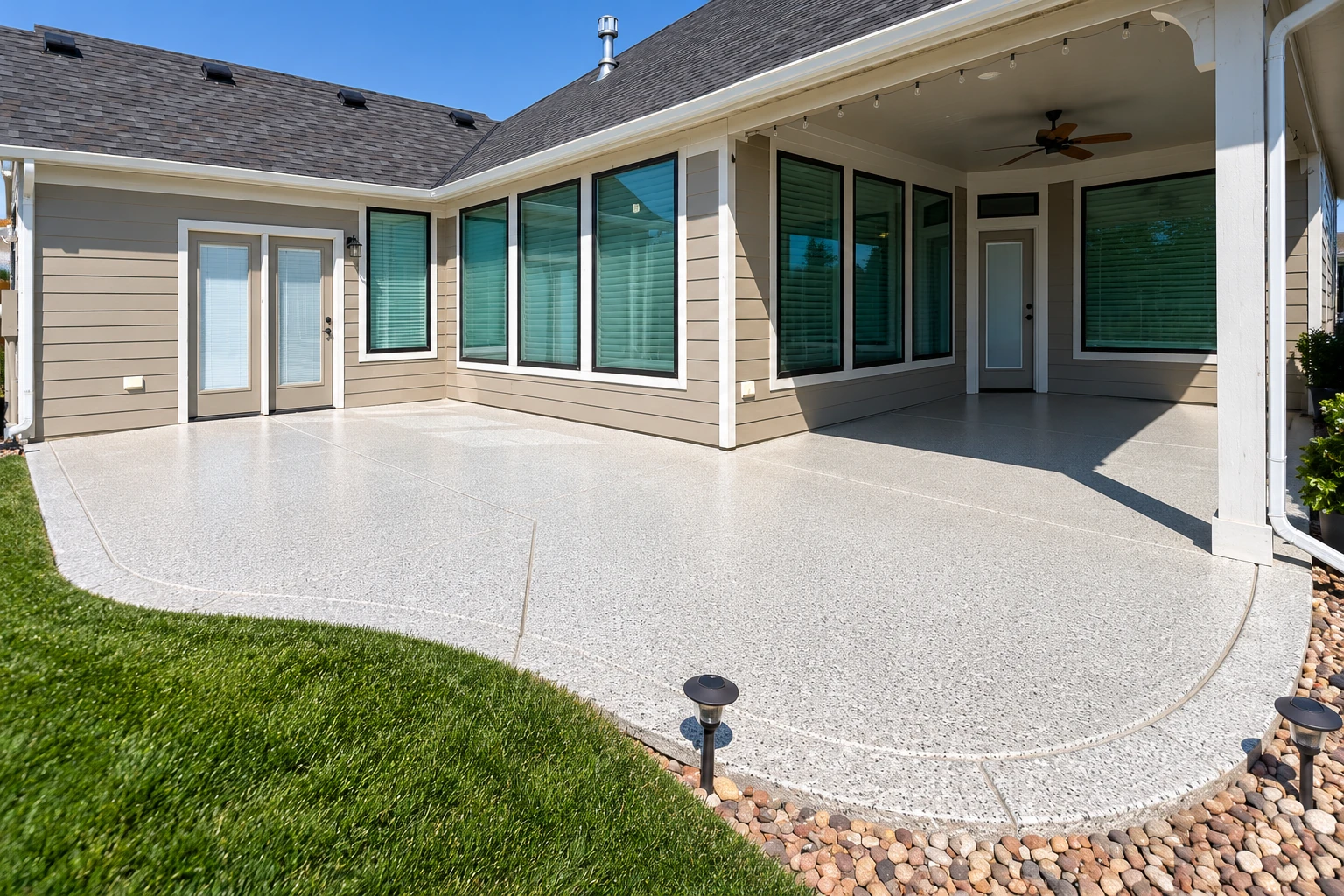
Concrete that's poured right stays put. That's how Superior Eastvale Concrete works.
I spent years doing upkeep for a property management company, fixing slabs somebody else poured. The pattern was the same nearly every time. The base got raked flat instead of dug out and packed, the joints went in late or not at all, and the floor settled and cracked wherever it felt like.
So when a budget gets tight, I'll tell you to spend it on the base before the surface. Nobody sees the base once the concrete's down, which is exactly why it's the first thing a cheap bid skimps on, and a nice finish on a sinking slab is still a sinking slab.
From first call to final walk. Here's how it goes.
Call or send a request
Call (951) 416-3327 or use the form, and tell us the room size and the flooring you plan to put on the slab.
I look at the site
I come out myself, look over the space with you and ask what the floor has to carry and where water ends up around it.
Your price in writing
I measure and put the price in writing. If the job needs a permit, we pull it and set up the inspections with the city or county office.
Pour, finish and walk-through
Our crew forms, pours and finishes the slab and cleans up, with me there on pour day, then I walk the finished floor with you.
Tell us about your floor. We'll come take a look.
Send the room size, the flooring going on top and any decorative finish. We reply within one business day to set up a free on-site estimate, no obligation.
(951) 416-3327Based in Eastvale. Pouring floors across the cities nearby.
- Eastvale, CA
- Jurupa Valley, CA
- Corona, CA
- Ontario, CA
- Riverside, CA
- Rancho Cucamonga, CA
- Norco, CA
- Chino, CA
- Chino Hills, CA
- Upland, CA
- Home Gardens, CA
- Bloomington, CA
We're based in Eastvale and pour floors in Jurupa Valley, Corona and the other cities around it. Don't see your city listed? Call and ask.
Mon–Sun: 7 AM–10 PM
Fair questions about concrete floors. Straight answers below.
Read through the answers below. If your question isn't here, call (951) 416-3327 and ask before you decide anything.
How much does a concrete floor cost near Eastvale?
Installing a reinforced concrete slab in the Riverside area usually costs about $8 to $14 per square foot, and that's an area figure, not our quote. The range leaves out staining or stamping, so if you want a decorative finish, ask for it to be priced on its own.
Will my new concrete floor crack?
Probably some, because no slab is crack-proof, but well-placed joints control where cracks go and keep them small. Wire mesh tends to keep cracks and joints from opening up, and fiber in the mix reduces cracking, though it isn't structural reinforcement. The question worth asking any installer is where the joints will go.
When can I walk on a new concrete floor?
You should be able to walk on it within 48 hours, and you may want to wait a week before putting heavier loads on it. Concrete takes a month to fully cure, so plan your flooring and the rest of the project around that.
Who issues building permits in Eastvale?
The city's Building Safety team issues permits and does the inspections, checking projects against California's construction codes. You can reach them at 951.703.4450. If it's not clear whether your floor needs a permit, we ask them before we start.
Does a concrete floor contractor need a license in California?
Usually, yes. The state licensing board requires a license for anyone who builds or alters a structure when the job needs a building permit, uses hired workers or costs $1,000 or more in labor and materials. We're licensed and insured, so ask any installer you're comparing for the same.
Floors aren't all we pour. See our other concrete work.
- Concrete driveway building
- Concrete patio construction
- Stamped concrete services
- Concrete sidewalk building
- Garage floor concrete
- Decorative concrete
- Concrete retaining walls
- Concrete pool decks
- Concrete steps construction
- Slab foundation building
- Foundation installation
- Concrete parking lot building
- Concrete footings
- Foundation raising
- Concrete cutting
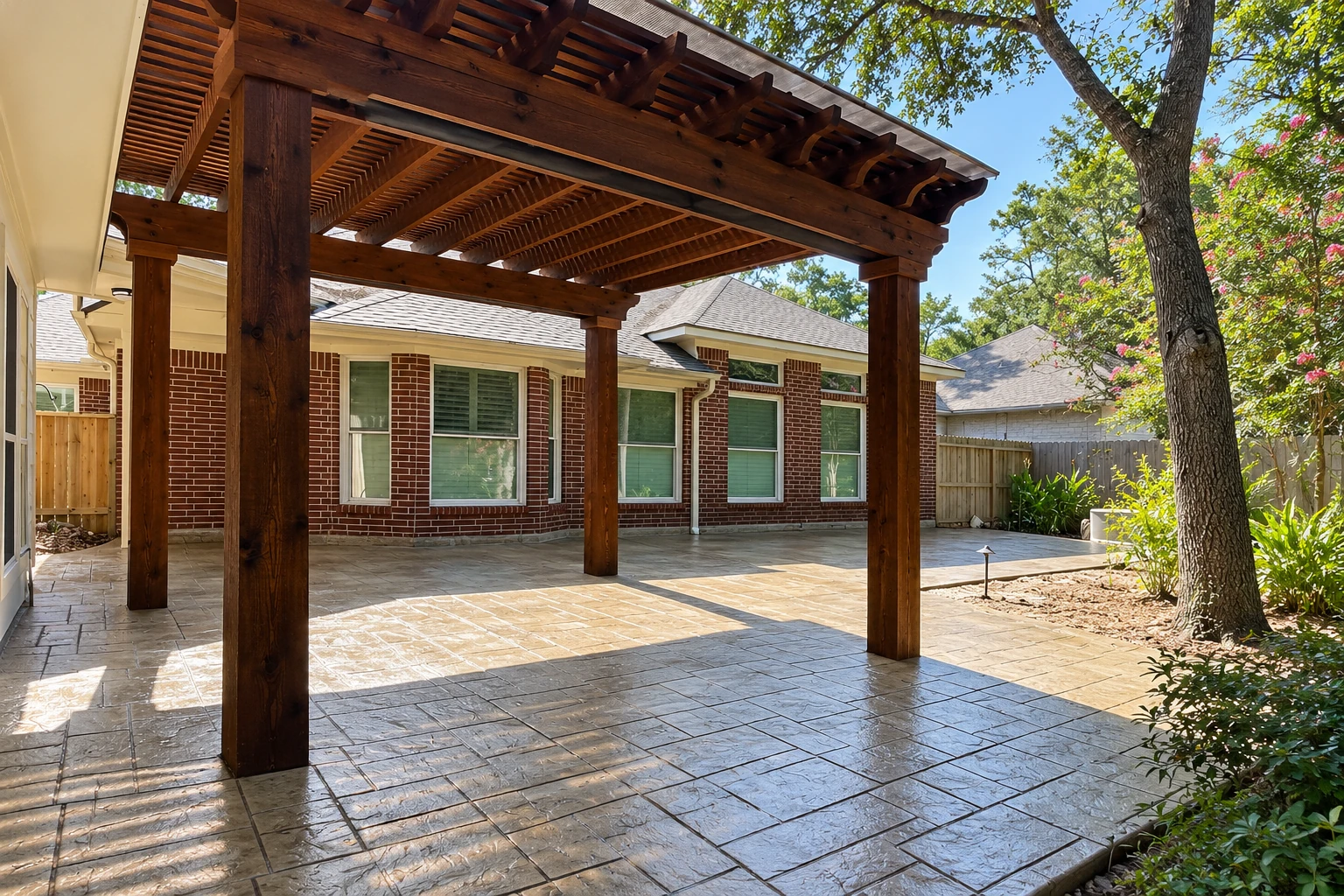
Need a concrete floor or slab poured? Ask for a free estimate.
Call or use the form with the room and the flooring you've picked, and we'll set a time to come look before anything gets ordered.
(951) 416-3327